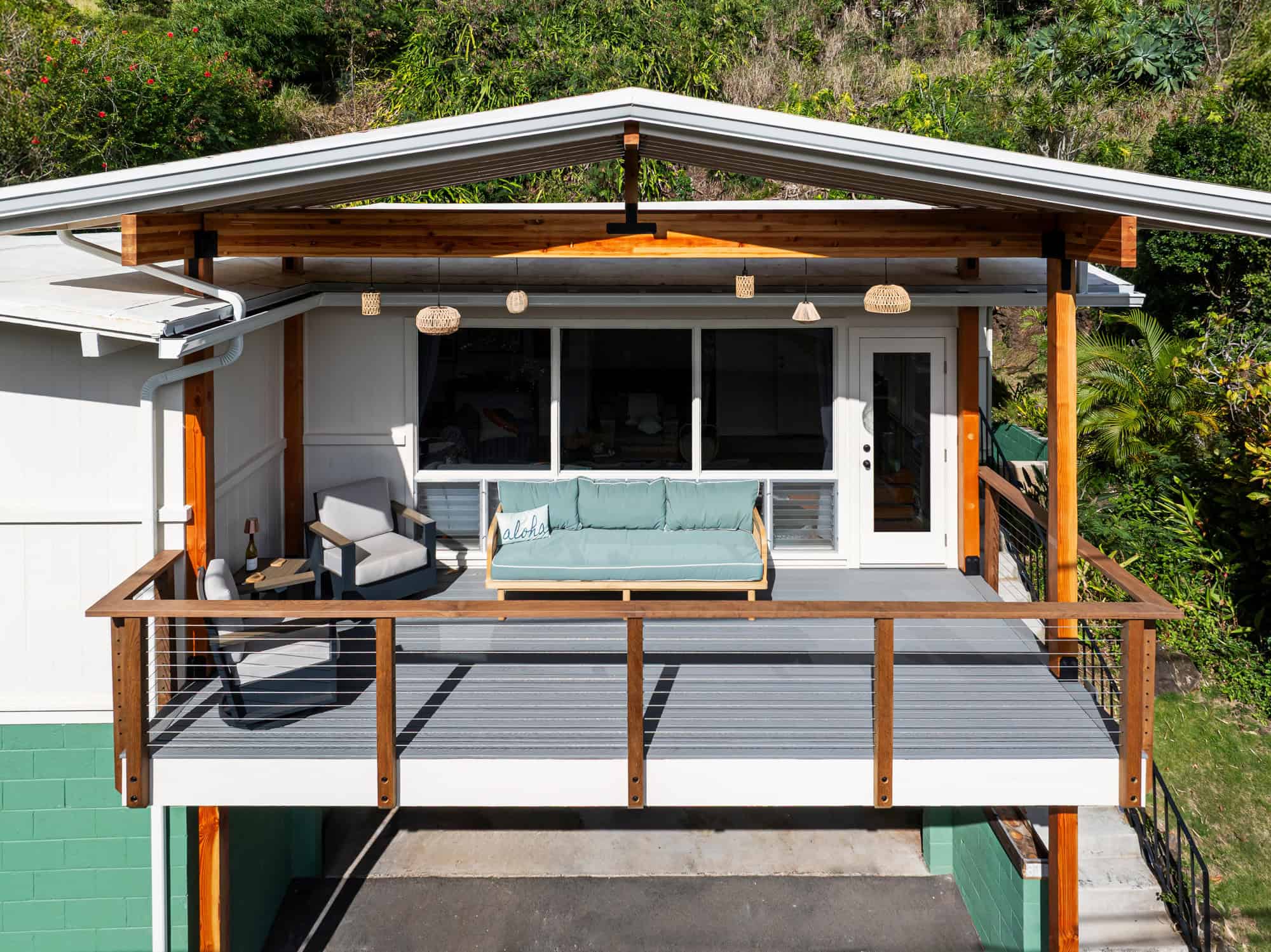
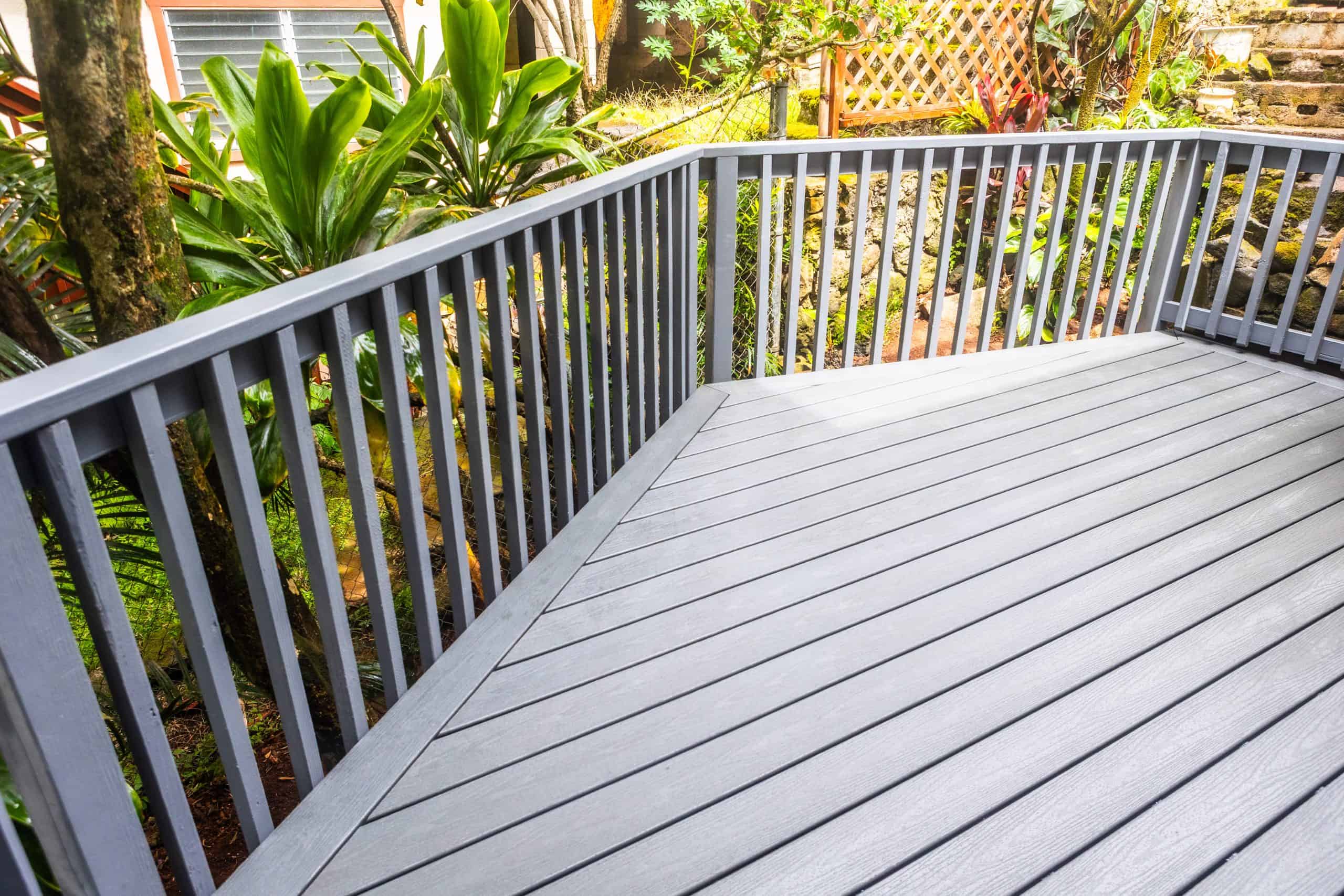
When homeowners reach out to us about building or rebuilding their deck, one of the very first questions they ask is: “What decking material should I choose?”
It’s an important question — and the right choice can affect temperature, comfort, maintenance, longevity, and how your outdoor space performs in Hawaii’s sun, rain, and humidity.
This guide walks through the most common deck board options we install across Oahu — composite, PVC, and natural hardwoods like Ipe — with simple explanations, real homeowner stories, and an easy comparison to help you choose the best fit for your lifestyle and budget.
Composite Decking vs. PVC vs. Wood: What’s the Difference?
Before comparing brands and warranties, here’s a quick overview of the three main material types.
Composite Decking
Composite decking is made from recycled plastic and wood fibers, capped with a protective shell that helps resist fading, staining, and moisture. It’s the most popular choice among our homeowners — roughly 90% choose composite, especially Trex Enhance (good), Select (better), and Transcend (best).
Composite is a great choice if you want:
Provides maximum moisture protection
Best for low-clearance decks
Ideal for damp or shaded environments
Offered by Trex and other brands such as TimberTech.
Trex is the brand we install most often, and it performs exceptionally well in Hawaii. We purchase all of our Trex from Honsador Lumber.
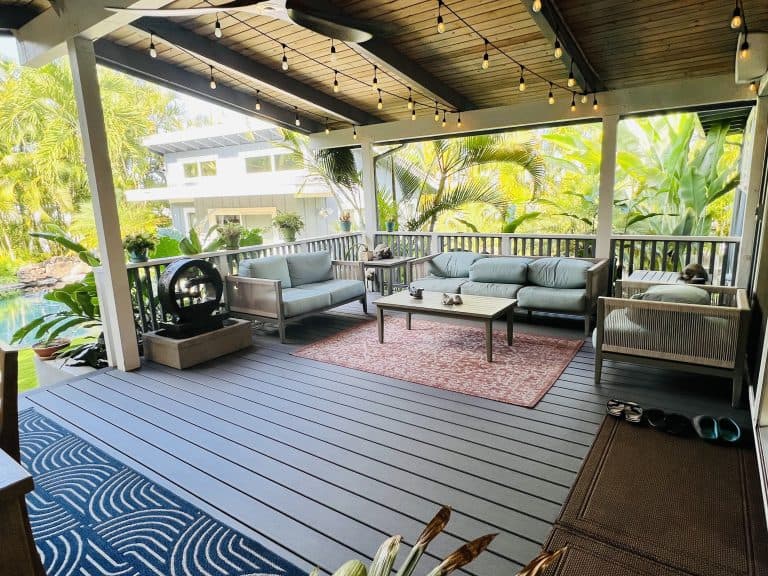
PVC Decking
PVC decking is made from 100% engineered polymer with no wood fibers. This makes it:
More moisture-resistant
Lighter in weight
Often cooler underfoot
Excellent near pools and wet areas
Brands like TimberTech, Fiberon and Wolf are ideal for moisture-heavy spaces or splash zones. If you are interested in TimberTech or Wolf, we recommend visiting Jason and his team at Rinell Wood Systems.
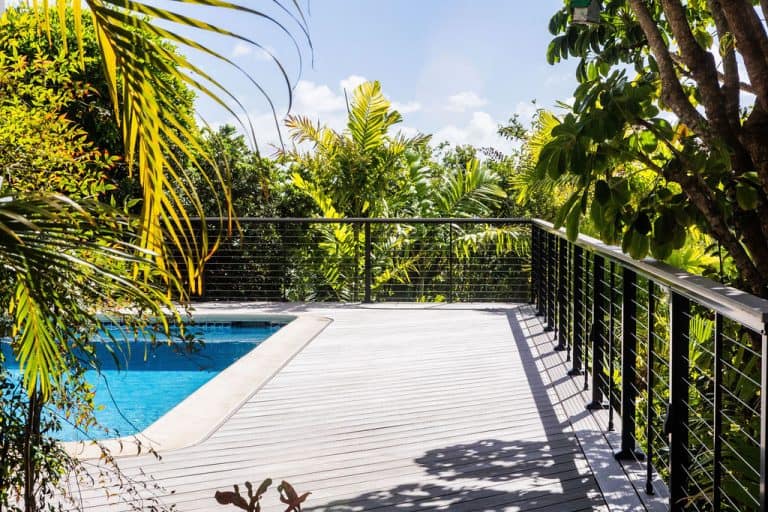
Wood Decking
For homeowners who love a natural, timeless aesthetic, wood — especially Ipe hardwood — is still an excellent option.
Wood is a great fit for homeowners who:
Prefer natural materials
Don’t mind routine maintenance
Value a rich, elegant look
Want a deck that naturally patinas
On Oahu, we’ve seen Ipe decks last 20–25 years (often longer) when paired with proper installation and stainless steel fasteners. Timeless, dense, and naturally durable, Ipe is generally our top recommendation for clients who want traditional hardwood instead of composite.
There are also other premium natural-wood options available, including:
- Moso Bamboo – An engineered bamboo product that is extremely dense, stable, and eco-friendly, offering a uniform modern wood appearance. Learn more.
- Kayu/Balau – A tropical hardwood known for rich color, strength, and affordability compared to Ipe.
Accoya – A modified softwood treated for exceptional durability and stability in humid climates.
If you’re interested in exploring natural wood decking, we recommend visiting Art and his team at Pacific American Lumber to see available hardwoods and learn more about each option.
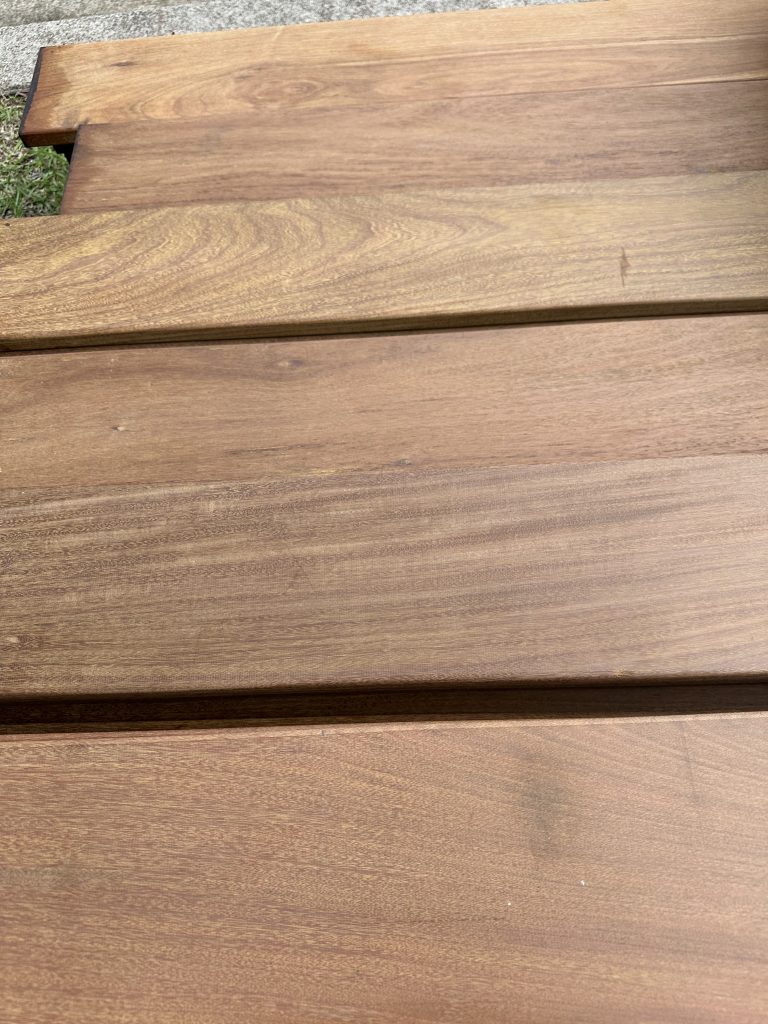
Fully Capped vs. 3-Sided Capped Composite Boards
A common question we get from homeowners is: “Is fully capped decking better than 3-sided capped decking?”
Fully Capped (4-Sided Boards)
Fully capped boards are wrapped on all sides — top, sides, and bottom.
Provides maximum moisture protection
Best for low-clearance decks
Ideal for damp or shaded environments
Used by TimberTech, Fiberon, Wolf, and others. Learn more why TimberTech caps all 4 sides of their deck boards.
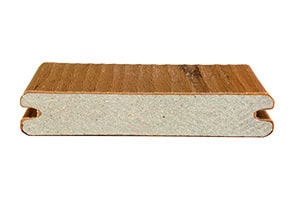
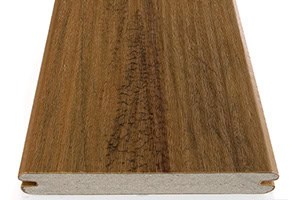
3-Sided Capped (Trex Boards)
Trex caps the top and both sides, leaving the underside uncapped. This allows the board to breathe and release moisture.
Underside can ventilate and dry properly
Very stable for elevated decks
Proven performance in Hawaii
Typically more budget-friendly
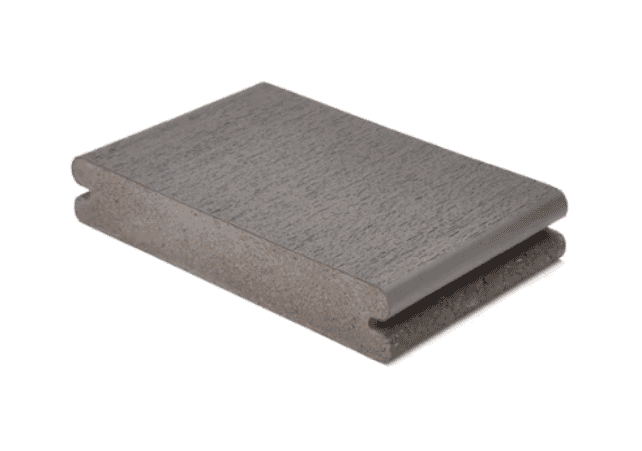
What Homeowners Should Know About Capping and Color
Composite decking is made from wood fibers and recycled plastic, and the color comes from a protective cap layer on the outside of the board. Some brands cap three sides, and others cap all four sides for added protection. The cap is where the color and grain pattern are created, so the inside of the board may look different. This is normal and doesn’t affect performance. Composite boards offer great value and come in a wide range of natural-looking colors.
PVC decking is made from 100% plastic with no wood fibers, which makes the color more consistent throughout the board and highly resistant to fading in strong sun. PVC can achieve very realistic grain patterns and typically stays more color-stable over time, especially in Hawaii’s hot and coastal conditions.
Simple takeaway: Composite boards get their color from the outer cap, while PVC boards have more uniform color and better long-term fade resistance.
Which Is Better — 3-Sided Composite, Fully Capped Composite, or PVC?
There’s no single “best” option. The right deck board depends on how you plan to use your space and what matters most to you.
If you can see the underside of your deck (like a second-story lanai or hillside build), a fully capped board or PVC board gives a cleaner, more finished look. But if the underside isn’t visible, a 3-sided composite board may be totally fine and more budget-friendly.
If your deck is low to the ground, in a damp or shady area, or gets limited airflow, fully capped composite or PVC offers better moisture protection and long-term durability.
If budget is a priority, 3-sided composite gives great value without sacrificing performance.
If you want maximum durability and color stability, especially in Hawaii’s sun and humidity, PVC decking performs the best over time. However, be prepared for a higher price tag going with PVC over composite.
Bottom line: Choose based on visibility, airflow, budget, and how often you use your deck — not just the price tag. Each option works well when matched to the right environment and homeowner needs.
Heat & Barefoot Comfort in Hawaii
Heat is one of the biggest deciding factors for Oahu families. Many homeowners tell us: “We walk outside barefoot with our kids or pets. We don’t want the deck to burn our feet.” See our Featured Pool Deck to learn more about how we transformed an unusable hot deck into a comfortable pool oasis in Honolulu.
Heat levels depend on:
Color (lighter boards stay cooler)
Material type (PVC is often coolest)
Sun exposure (covered vs. uncovered decks)
Airflow under the deck
We always encourage homeowners to test real samples outside and step on them barefoot throughout the day — this is the best way to choose what feels right.
Trex SunComfortable Information & Heat-Mitigating Technology
Trex provides “SunComfortable” information to help homeowners compare how different Trex lines perform in direct sunlight.
The Trex Transcend Lineage collection includes heat-mitigating technology designed to stay cooler than traditional composite. In our experience installing colors like Salt Flat on full-sun decks, homeowners consistently report that Lineage stays noticeably more comfortable underfoot — even on hot afternoons.
Lineage is an excellent option for:
Decks used barefoot rather than with shoes
Uncovered decks with little to no shade
Frequently used for entertaining
Homes with kids and pets
Maintenance Differences: Wood vs. Composite vs. PVC
Maintenance is one of the biggest deciding factors for material choice. We often hear: “My wood deck has been repaired and repainted so many times — I want something easier.”
Composite
Low maintenance
No painting or staining
Simple soap-and-water cleaning
PVC
Even lower maintenance
Highly moisture-resistant
Great for wet or shaded areas
Wood
Highest maintenance
Requires routine cleaning and staining/oiling
Beautiful and long-lasting with proper care
Common Maintenance Mistakes
Using abrasive or harsh cleaners
Pressure washing incorrectly
Leaving stains too long
Dragging furniture
Sealing composite boards (not needed)
During project closeout, we provide recommended cleaners and full care instructions — and we’re always available to help homeowners troubleshoot. Learn more about our credentials and services.
Warranties: What Hawaii Deck Builders Provides
Every deck built by Hawaii Deck Builders includes:
1-year labor/workmanship warranty
Complimentary troubleshooting and check-ins for 2 years
Ongoing support with maintenance questions
TrexPro Gold Extended Labor Warranty

As a TrexPro Gold Installer, many Trex projects qualify for extended labor warranties from Trex at no extra cost. Learn more about Hawaii Deck Builders and our Credentials.
Trex Warranty Overview
Below is a simplified breakdown:
- Decking Only — Extended labor up to ~3 years
- Decking + Railing — Extended labor up to ~5 years
- Decking + Railing + Fasteners — Extended labor up to ~8 years
- Product Warranty — 25–50 year fade and stain depending on line
Coverage varies depending on the product line and project scope. We review all warranty details during the planning process. Read more about Trex’s warranties here.
Decking Brand Comparison Table
| Brand | Material Type | Cost Range | Warranty | Homeowner Popularity | Notes |
|---|---|---|---|---|---|
| Trex | 3-sided capped composite | $–$$$$ | 25–50 year fade/stain + extended labor warranty | Most popular (90%) | Best value; performs well in Hawaii |
| TimberTech | Fully capped composite & PVC | $$–$$$$ | 25–50 year | Moderate | Premium look; cooler PVC options |
| Fiberon | Fully capped composite & PVC | $$-$$$ | 25–50 year | Occasional | Good mid-range composite option |
| Wolf PVC | Fully capped PVC | $$–$$$ | 25 year product warranty | Occasional | Excellent for moisture-heavy pool areas |
| Ipe | Natural hardwood | $$–$$$ | N/A | Select homeowners | Timeless, beautiful, long-lasting hardwood |
Frequently Asked Questions
What is the most common deck board you install?
We most often install Trex composite decking.
Trex lines include: Enhance (Good $), Select (Better $$), and Transcend (Best $$$).
Our most popular color is Pebble Grey from the Trex Select line.
What’s the difference between composite and PVC decking?
Composite contains wood fibers + plastic. PVC is 100% engineered polymer.
What’s the difference between fully capped and 3-sided capped boards?
Fully capped protects all sides. Trex’s 3-sided design allows ventilation underneath.
Which decking stays coolest?
PVC and Trex Lineage (lighter colors) typically stay cooler.
Is composite really low maintenance?
Yes — but low maintenance doesn’t mean no maintenance. Occasional cleaning is still important.
How long do composite decks last?
Most composite lines have warranties for 25–50 years. However, note that the real longevity of your deck may be based on how well it is maintained and how well it's built.
How long does Ipe last?
With proper maintenance, Ipe can last 20+ years.
Which is more budget-friendly long term?
Composite is typically more cost-effective over time due to reduced maintenance.
Are there other deck brands available?
Yes, there are many deck board brands available that are not mentioned in this blog. If there is one you are interested in, please reach out to us to discuss options.
Hawaii's Top Chosen Deck Brands at a Glance
These are the top Composite and PVC deck board brands we see Hawaii homeowner’s selecting from.


Ready to Explore Decking Options for Your Oahu Home?
Choosing the right deck board is the first step to creating a comfortable, long-lasting outdoor space. Whether you’re looking for low-maintenance composite, cooler PVC boards, or natural hardwoods like Ipe, we’re here to help you compare options and make the best decision for your home.
If you’re planning a new deck or rebuild, we’d love to help. Contact us for a Free Consultation.